Understanding Layover-Friendly Airports
Definition and Importance of Layover-Friendly Airports
Layover-friendly airports are transit hubs designed to facilitate smooth and efficient transfers for travelers. They play a crucial role in international travel, as many journeys involve connecting flights. A layover can range from a quick 30-minute stop to an extended 24-hour stay, and the quality of the airport can significantly impact the overall travel experience. Airports that prioritize passenger comfort, convenience, and efficiency are essential for reducing stress and minimizing the risk of missed connections.
Key Features that Enhance Layover Experience
Several features define a layover-friendly airport:
- Efficient Layout: An easy-to-navigate terminal layout helps passengers move quickly between gates.
- Clear Signage: Well-placed signs that offer multilingual support ensure travelers can find their way without confusion.
- Dining and Shopping Options: A range of quality food and retail outlets can make the wait more enjoyable.
- Rest Areas and Lounges: Comfortable spaces to relax are vital for long layovers.
- Transportation Services: Quick transfer options to and from terminals can save time and reduce stress.
Common Misconceptions About Layovers
Many travelers harbor misconceptions about layovers. One common belief is that all layovers are inherently negative experiences. However, a well-planned layover can offer an opportunity to explore a new city or relax in a comfortable setting. Another misconception is that longer layovers are always better; in reality, the efficiency of the airport often outweighs the duration of the wait. Lastly, some believe that all airports provide the same level of service, but significant differences exist that can greatly affect the transit experience.
Top Airports for Smooth Transits
Rankings Based on Transit Efficiency
According to various travel surveys and efficiency metrics, the following airports are frequently acknowledged for their smooth transit experiences:
- Singapore Changi Airport (SIN): Consistently ranked as the world's best airport, Changi features a seamless layout and an average layover time of just 45 minutes for connecting flights.
- Tokyo Haneda Airport (HND): Known for its punctuality and efficiency, Haneda boasts a 90% on-time departure rate, making it a reliable choice for transit travelers.
- Incheon International Airport (ICN): With a vast array of amenities and an efficient layout, Incheon has a connection time of approximately 50 minutes, which is ideal for quick transfers.
- Dubai International Airport (DXB): This airport offers one of the largest shopping areas and numerous lounges, facilitating a pleasant layover experience.
- Munich Airport (MUC): Munich provides excellent facilities and a user-friendly layout, with an average connection time of around 45 minutes.
Passenger Reviews and Experiences
Passenger feedback often highlights the importance of an airport’s amenities and overall atmosphere during layovers. For instance, travelers at Changi Airport frequently praise the indoor gardens, movie theaters, and even a rooftop swimming pool, which contribute to a relaxed atmosphere. On the other hand, passengers at some airports report frustration due to overcrowding or limited dining options, underscoring the need for well-planned amenities that cater to varying preferences.
Facilities and Amenities Available
When comparing layover-friendly airports, the availability of facilities and amenities plays a significant role. Airports like Singapore Changi and Incheon International offer:
- Free Wi-Fi: High-speed internet access is essential for travelers needing to catch up on work or stay connected.
- Rest Zones: Dedicated nap areas and sleeping pods allow passengers to recharge between flights.
- Showers and Spas: Clean, accessible shower facilities and spa services provide a refreshing break.
- Family Areas: Play zones and family-friendly facilities cater to travelers with children, making layovers more manageable.
Comparative Analysis of Airport Layouts
Terminal Design and Navigation Ease
The design of an airport terminal significantly impacts the ease of navigation for passengers. Airports like Changi and Incheon have open layouts with clear pathways, making it easy for travelers to find their gates without excessive walking. In contrast, airports with convoluted layouts, such as some older facilities, can lead to confusion and longer transit times. Efficient terminal designs minimize the distance between gates, which is particularly beneficial for those with tight connection times.
Signage and Information Accessibility
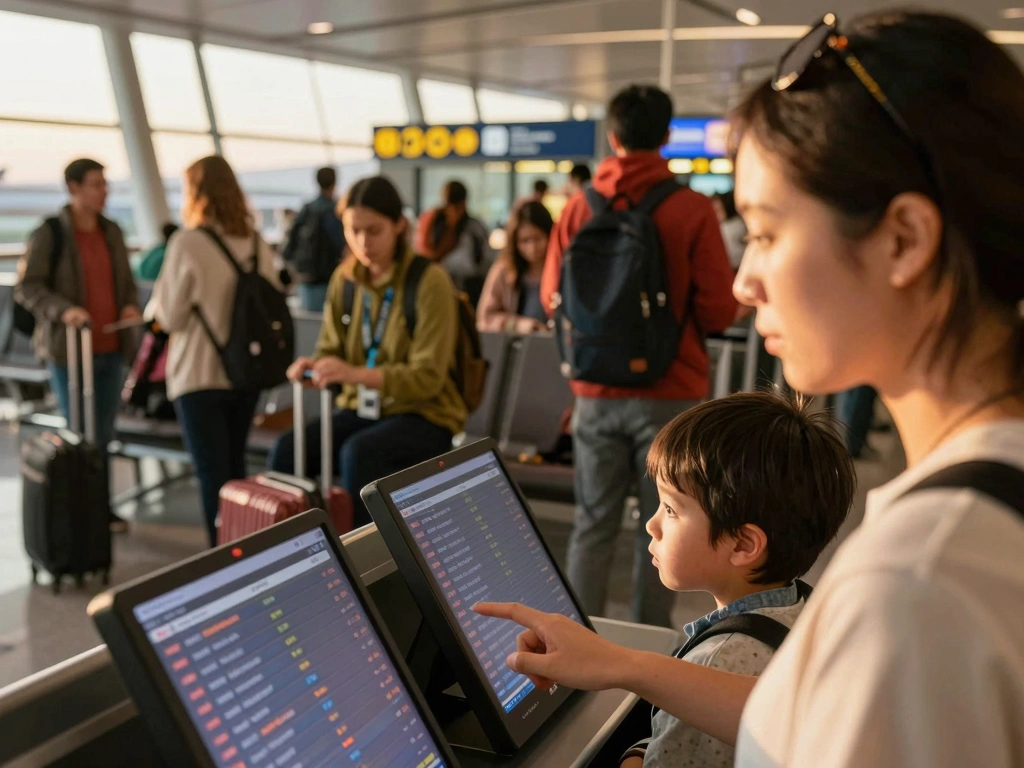
Effective signage is vital in ensuring passengers can easily navigate the airport. Airports that implement multilingual signs and interactive kiosks, like those found in Tokyo Haneda, offer travelers immediate assistance. Additionally, real-time updates on flight statuses displayed throughout the terminal keep passengers informed of any changes, reducing anxiety and enhancing the overall experience.
Connection Times and Gate Proximity
Connection times are crucial in determining how layover-friendly an airport is. Airports that offer shorter connection times, such as 30–60 minutes, are ideal for efficient transits. Gate proximity also plays a significant role; for instance, at Zurich Airport, the gates are often within a short walking distance, allowing for quicker transitions. In contrast, larger airports like Heathrow may require longer travel times between gates, which can be problematic for passengers with tight schedules.
Impact of Airport Services on Layover Experience
Quality of Food and Beverage Options
The availability and quality of food and beverage options significantly enhance the layover experience. Airports like Singapore Changi boast a diverse array of dining choices, from local cuisine to international fast food. Such options allow travelers to enjoy a meal that suits their preferences. Conversely, airports with limited food selections can leave passengers feeling unsatisfied and stressed, negatively impacting their overall transit experience.
Availability of Lounges and Rest Areas
Access to lounges and rest areas can greatly improve comfort during layovers. Airports such as Dubai International offer numerous lounges, including those accessible through paid entry, which provide a quiet space to relax, complimentary food, and beverages. In contrast, airports with few or no lounges may force travelers to wait in crowded terminals, leading to discomfort and fatigue.
Transportation Options for Quick Transfers
Transportation options between terminals or to nearby hotels can make a significant difference during layovers. Airports like Munich and Changi have efficient train systems and well-organized shuttle services that facilitate quick transfers. This becomes particularly important for passengers with longer layovers who may wish to explore the city. In contrast, airports with limited ground transportation options can leave travelers feeling stuck and frustrated.
Future Trends in Layover-Friendly Airports
Technological Advancements in Airport Operations
The future of layover-friendly airports is likely to be shaped by technological advancements. Innovations such as biometric screening for passport control can streamline the security process, reducing wait times significantly. Additionally, the use of mobile applications for real-time flight updates and terminal navigation is becoming increasingly popular, allowing travelers to have information at their fingertips.
Emerging Airports and Their Layover Strategies
As air travel continues to grow, several emerging airports are adopting layover strategies to enhance the transit experience. For example, airports in developing regions are investing heavily in passenger-centric designs and technology, often taking inspiration from the best practices of established hubs. For instance, Istanbul Airport (IST) aims to become a major transit hub by incorporating extensive duty-free shopping, comfortable lounges, and a swift transportation network.
Environmental Considerations and Sustainable Practices
With increasing awareness of environmental issues, layover-friendly airports are also focusing on sustainability. Initiatives such as solar panel installations, water conservation systems, and waste reduction programs are becoming common. Airports like San Francisco International (SFO) lead the way in implementing green practices that not only enhance their appeal but also contribute positively to the environment. Sustainability in airport operations can improve traveler satisfaction while addressing important global concerns.